Menu
Grass Fed icon rev

Grass Fed Dairy Ingredients

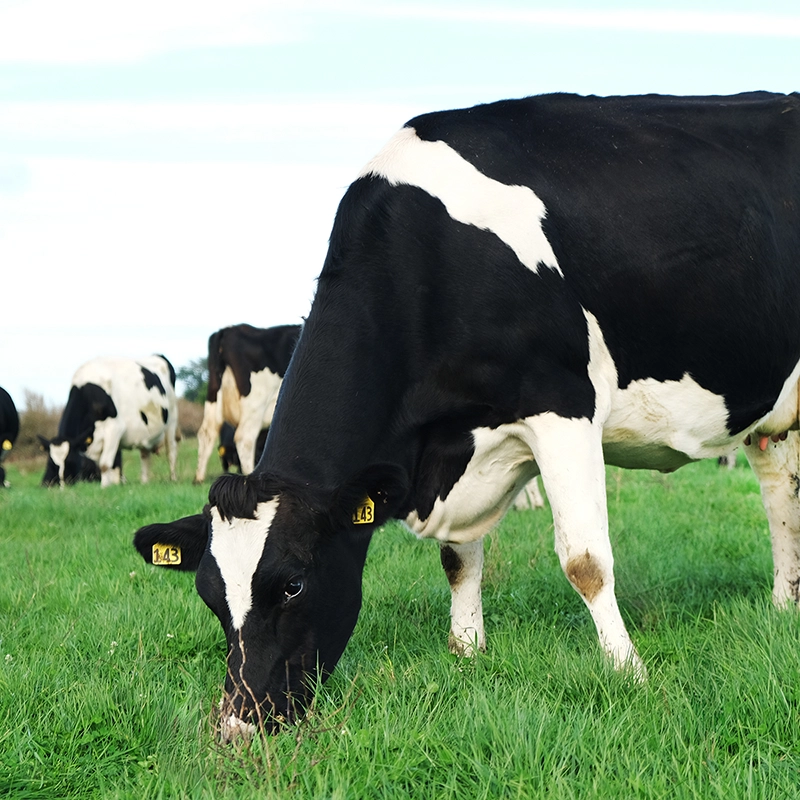
We’ve partnered with dedicated farmers who embraced grass fed practices long before they were officially recognised under the New Zealand Grass Fed Administrative Standard. Our cows graze freely on lush pastures for over 340 days a year, enjoying more than 8 hours of outdoor access daily and a diet that’s at least 90% grass-based. 

Natural Goodness from New Zealand's Green Pastures

We work with trusted farmer suppliers who farm in harmony with nature, following the seasonal rhythm of pasture growth across New Zealand. Thanks to our country’s fertile soils, abundant sunshine, and temperate climate, their cows spend most of the year outdoors – grazing freely for over 340 days annually. Our suppliers’ cows enjoy a naturally varied diet of lush grasses, silage, hay, and nutrient-rich forage crops such as legumes and brassicas.

Pasture Raised icon Statement reversed

Far-reaching benefits of grass fed dairy

Nutrition – Grass fed dairy products have proven health benefits, including higher levels of omega-3, vitamins A and E, and essential micronutrients than products from animals with other feed types.*

Traceability – There is significant and growing demand from consumers around the world to know how their food is produced. At Open Country we can provide that, with the ability to trace everything that goes into our products.

Sustainability – We are proud of the way we farm in New Zealand with high biosecurity, sanitary, animal welfare and sustainable practices. It is now easier for these attributes to be recognised and understood by the world.

Dairy Cow Grass Fed Pasture

Frequently Asked Questions

  • What is the Dairy Grass Fed Administrative Standard?

    The Standard provides recognition by MPI that milk from dairy farm operators or processors that are certified to a Scheme recognised under this Standard have met the requirements and attributes for New Zealand Grass Fed.

    “The standard allows farmers to show that their products meet a clear definition of grass fed and have the associated animal welfare and nutritional benefits,” says Minister of Agriculture, Hon Todd McClay.

  • What are the requirements under the Scheme?

    Dairy products that meet the New Zealand Grass Fed Administrative Standard come from farms where cows:

    • Have a diet comprised of at least 90% of qualifying grass fed feed types, and
    • Are on pasture or forage crops for at least 8 hours per day, 340 days per year
  • Why has this standard been introduced?

    The Standard helps ensure that grass fed claims by dairy manufacturers are credible and consistent with MPI’s guidelines.

    New Zealand’s grass based farming systems and their products are a key point of difference for the quality, taste, and nutrition of dairy from New Zealand. So it’s important that grass fed claims and marketing are monitored externally, by an objective entity.

*References

Van Vliet, S., Provenza, F. D., & Kronberg, S. L. (2021). Health‑promoting phytonutrients are higher in grass‑fed meat and milk. Frontiers in Sustainable Food Systems, 4, 555426. https://doi.org/10.3389/fsufs.2020.555426

Alothman, M., Hogan, S. A., Hennessy, D., Dillon, P., Kilcawley, K. N., O’Donovan, M., Tobin, J., Fenelon, M. A., & O’Callaghan, T. F. (2019). The “grass‑fed” milk story: Understanding the impact of pasture feeding on the composition and quality of bovine milk. Foods, 8(8), 350. https://doi.org/10.3390/foods8080350

Heins, B. J., et al. (2018). Enhancing the fatty acid profile of milk through forage‑based rations, with nutrition modeling of dietary outcomes. Food Science & Nutrition, 6(2

National Dairy Council. (2019). Nutritional attributes of grass‑fed dairy. Dairy Nutrition Forum, 11(2). Retrieved from https://ndc.ie/wp-content/uploads/2022/04/Nutritional-Attributes-of-Grass-fed-Dairy.pdf